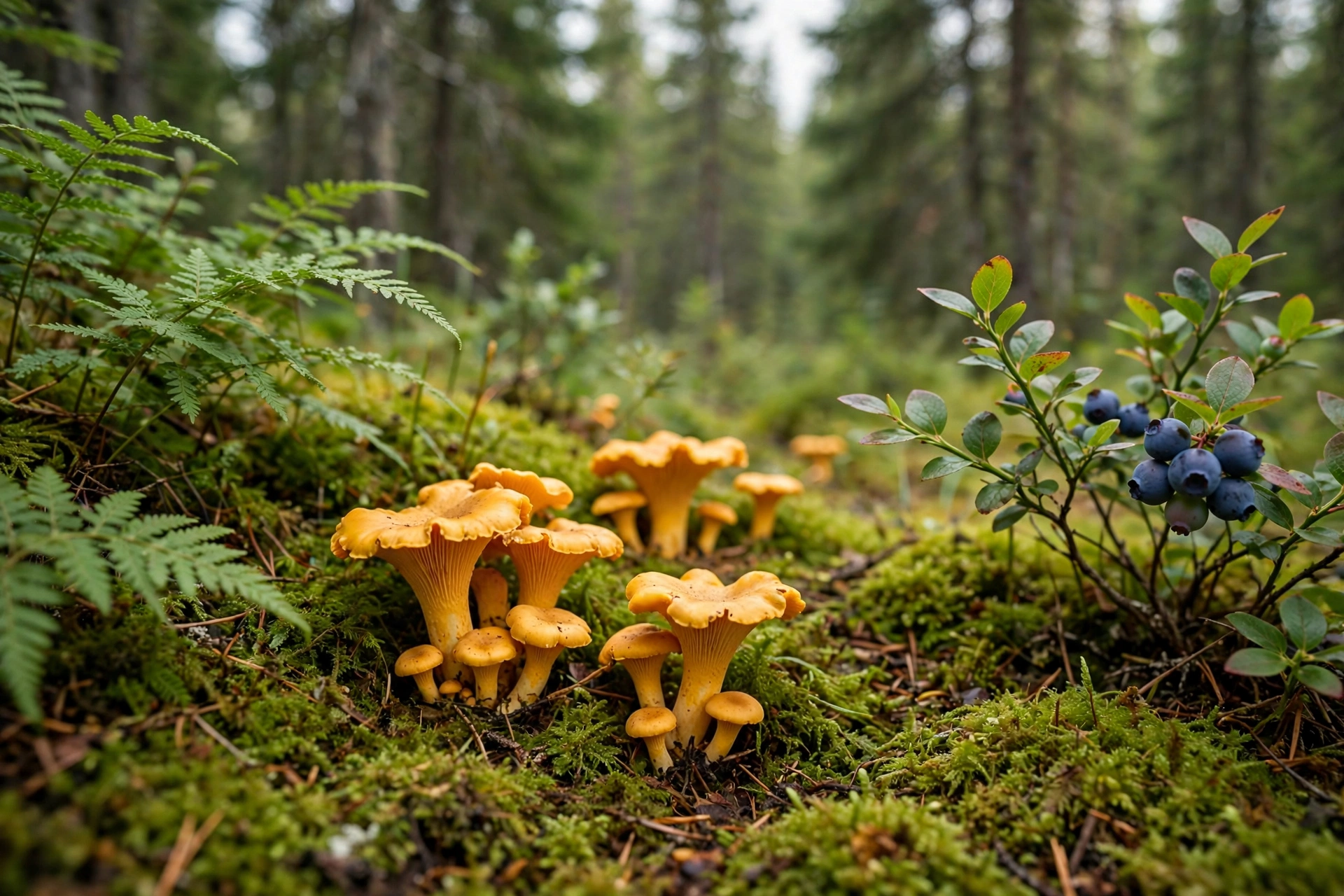
THE ART OF MUSHROOM HUNTING: Finding Chanterelles in BC
Patience, a mossy slope, and knowing exactly what a chanterelle is — and is not.
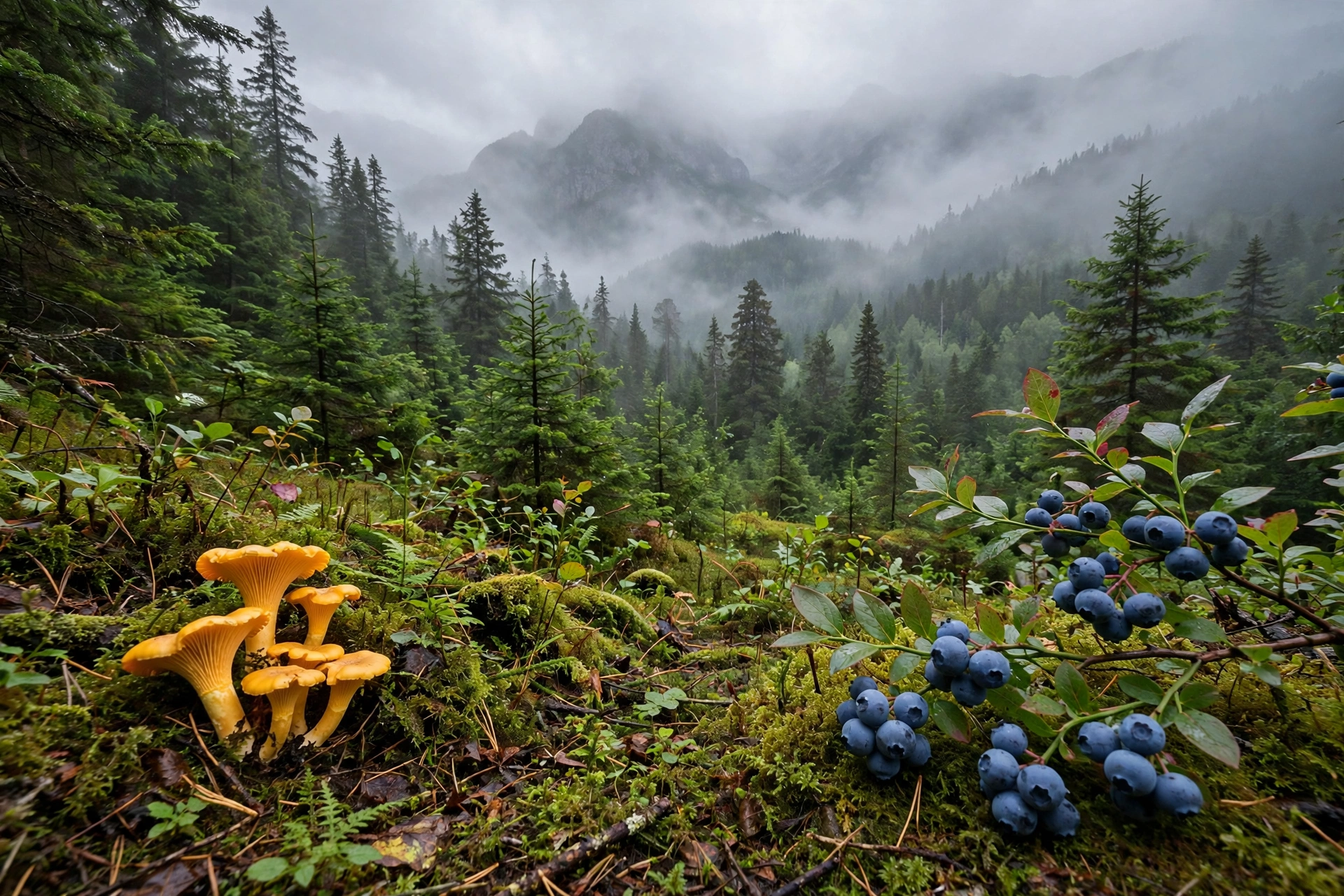
A journal of ethical foraging, discovery, and culinary adventures in the Canadian wilderness.
BEGIN THE JOURNEY
Patience, a mossy slope, and knowing exactly what a chanterelle is — and is not.
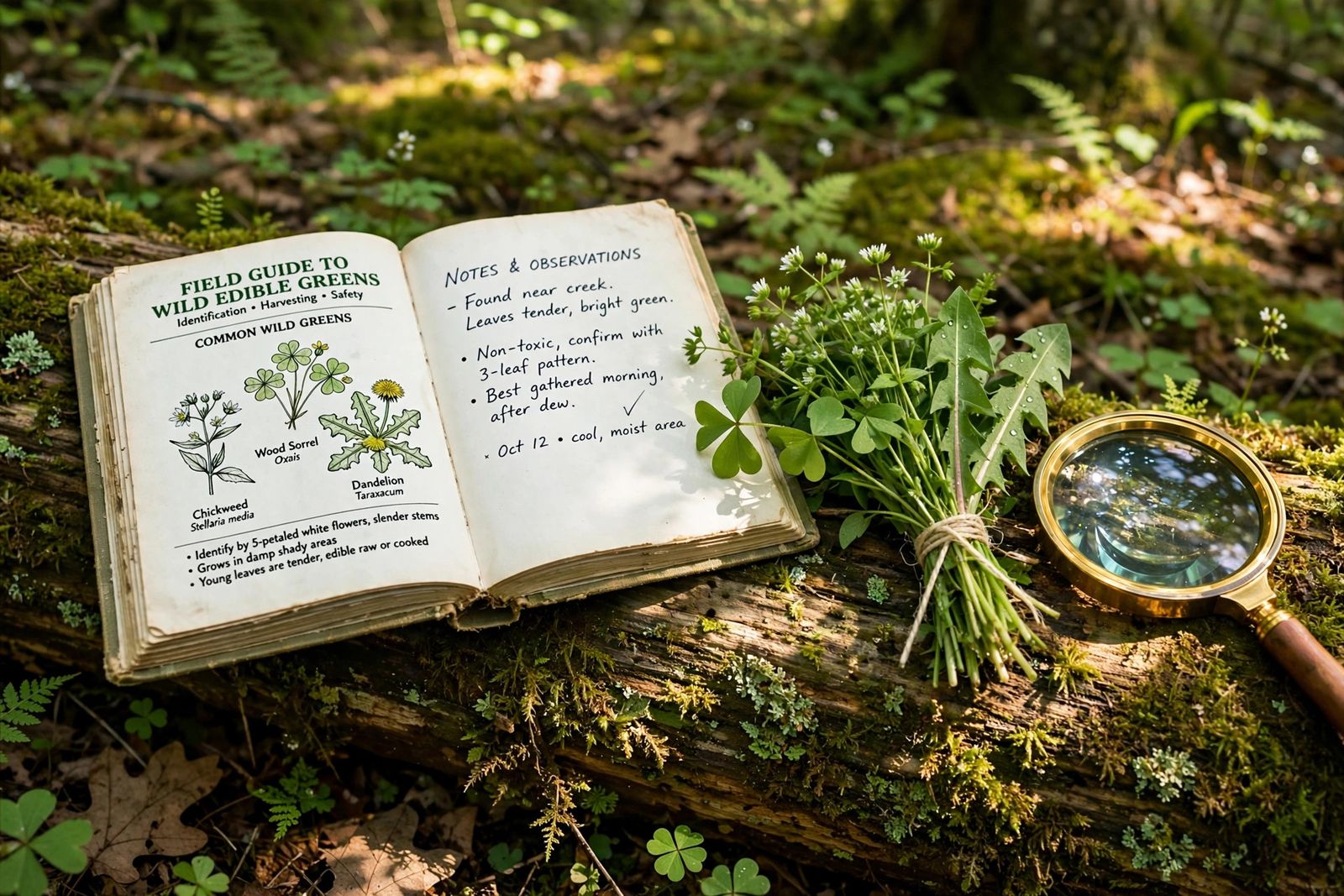
The beginner's curriculum is short on purpose: a handful of unmistakable plants, learned properly.
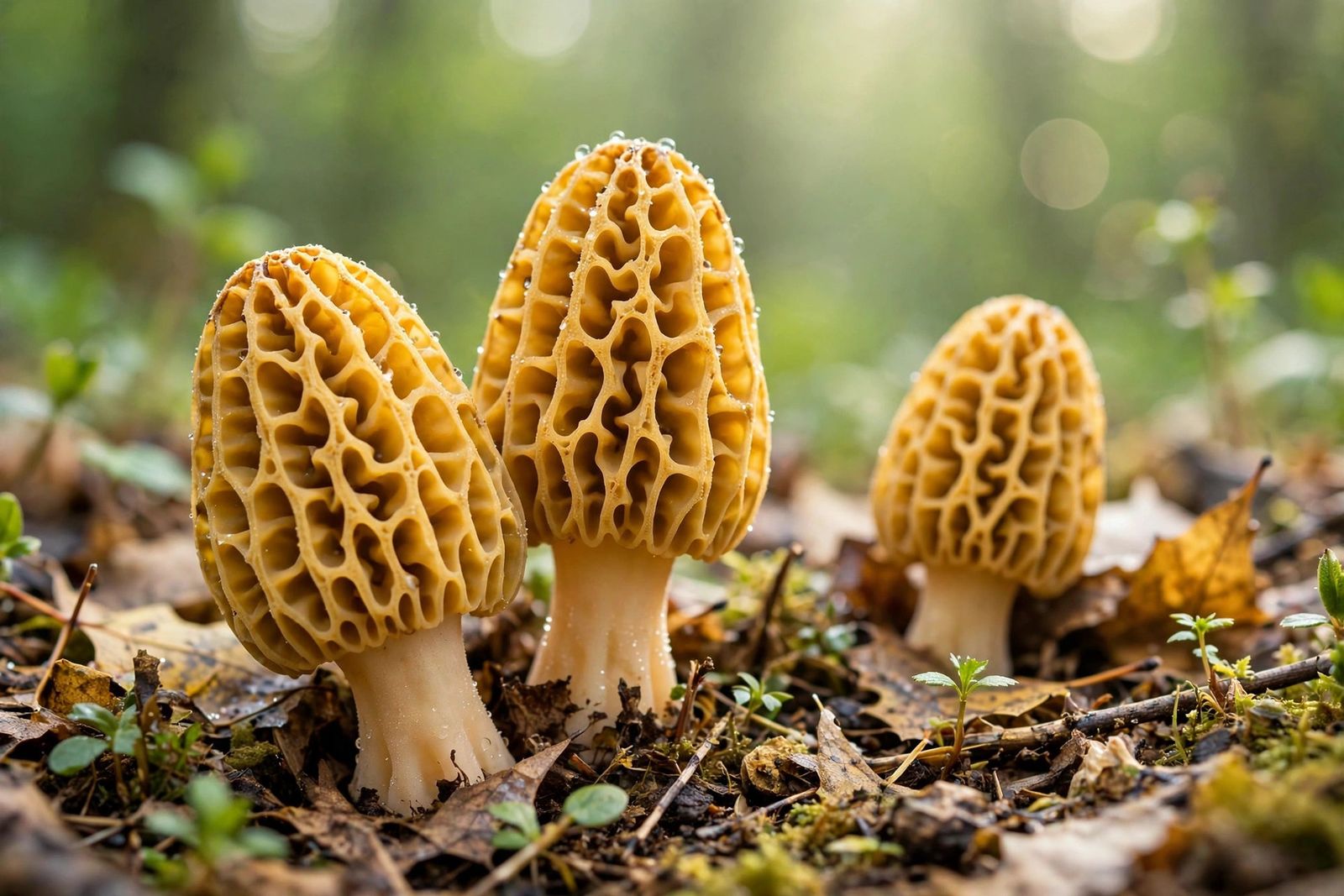
The spring prize of aspen stands and old burn sites, for a few short weeks each year.
Learn more ›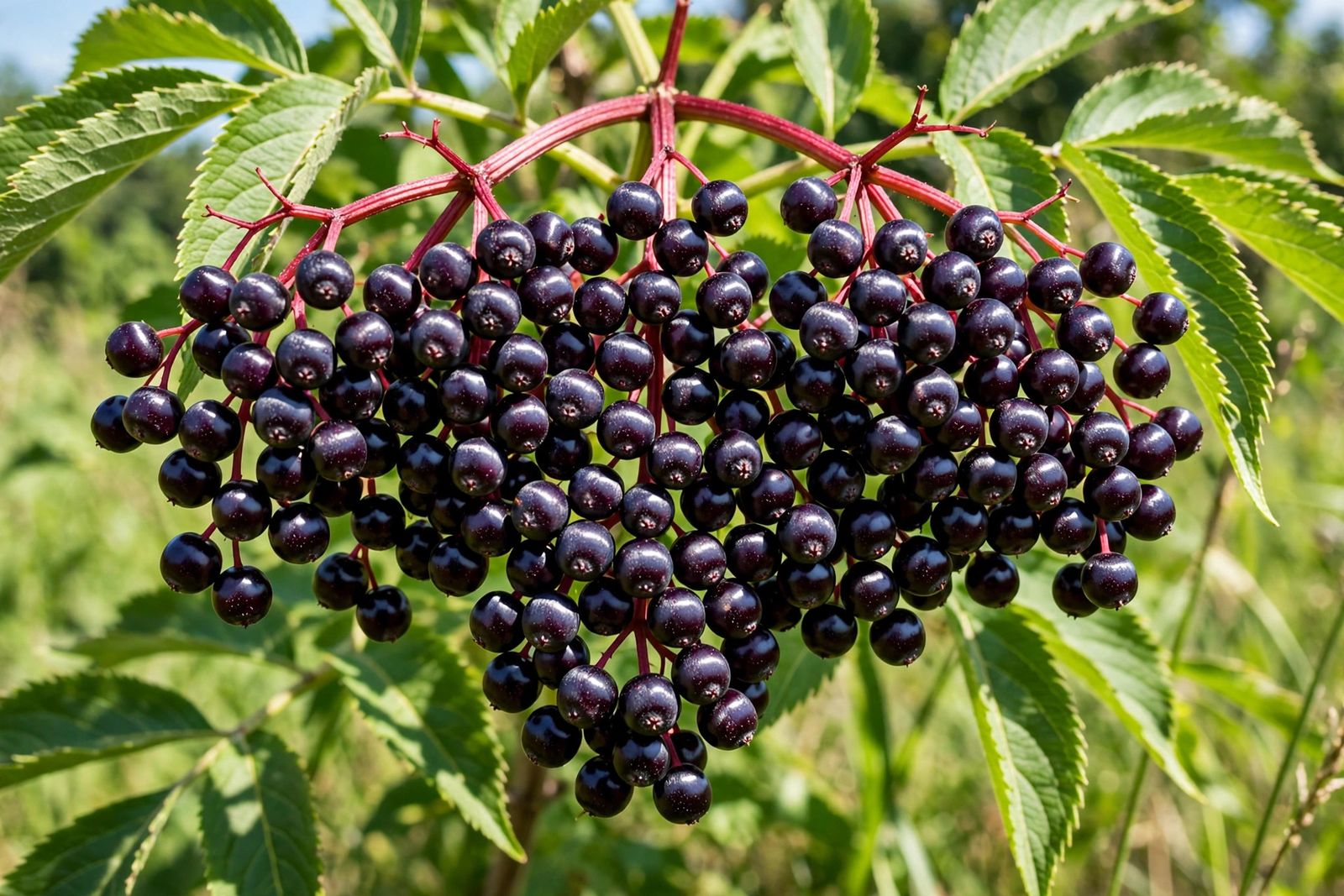
Late-summer clusters for syrups and preserves, cooked before they are ever eaten.
Learn more ›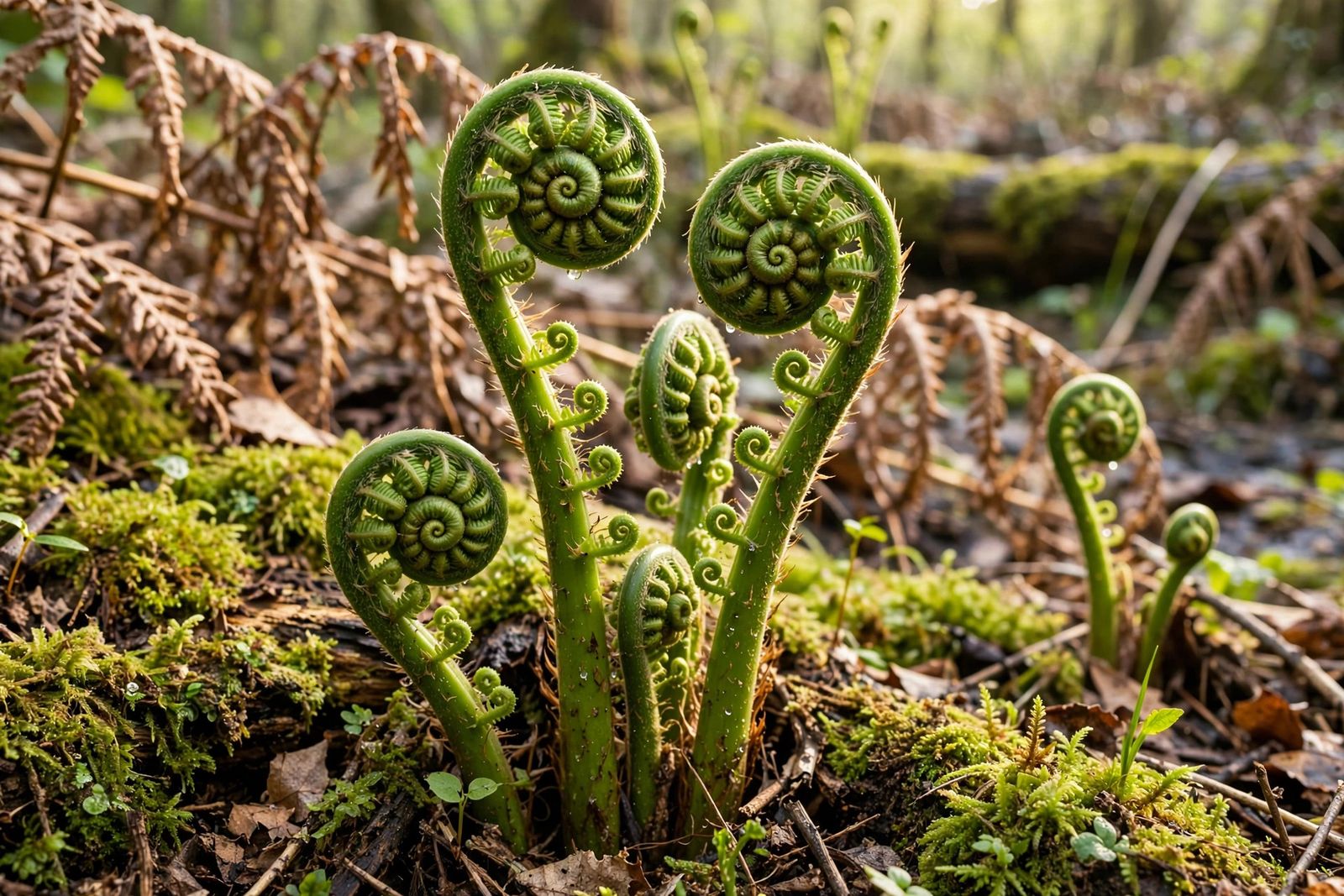
Fiddlehead season is the first green whisper of a Canadian spring in the east.
Learn more ›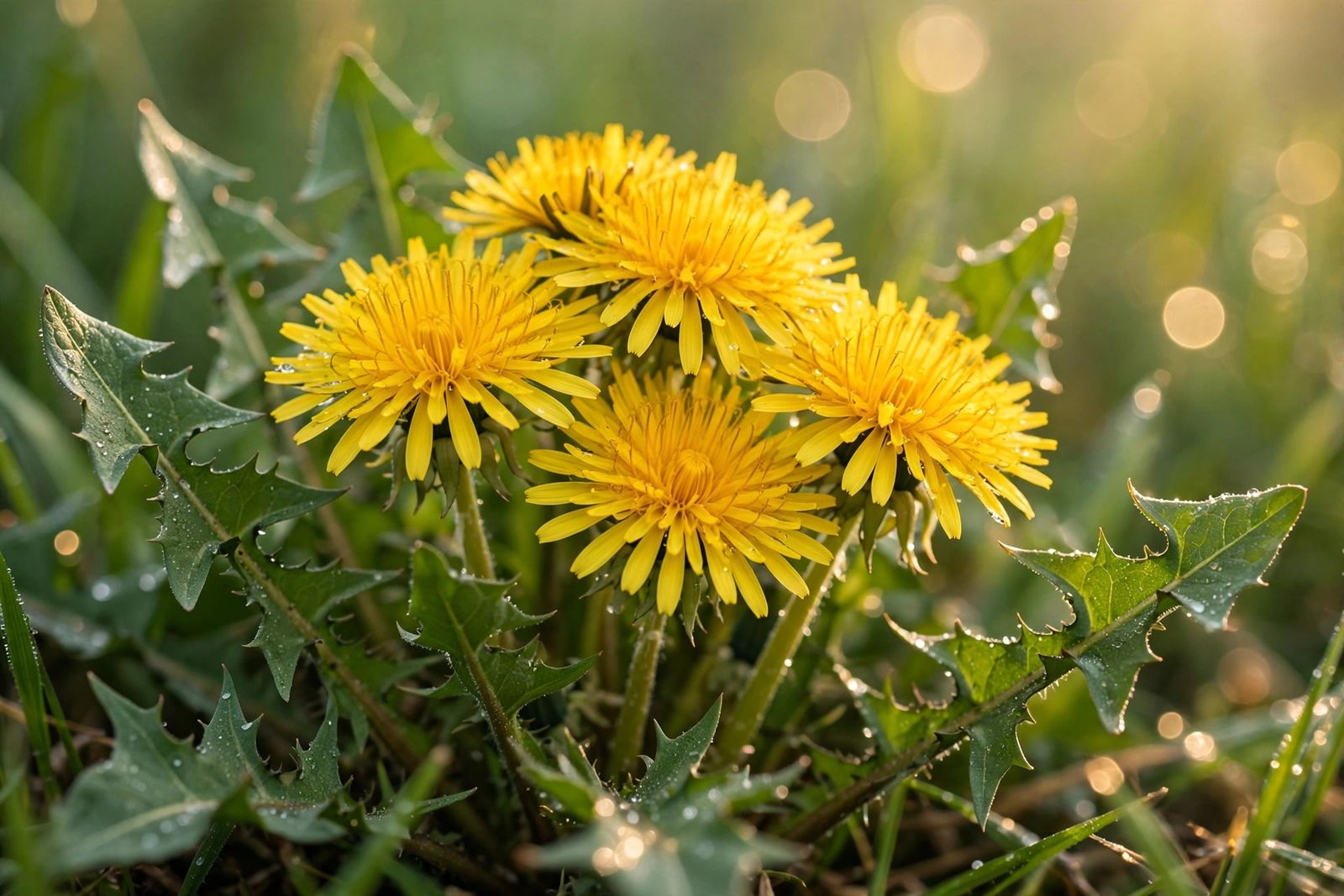
One flower, one hollow stem, zero twins worth fearing — but mind where you pick.
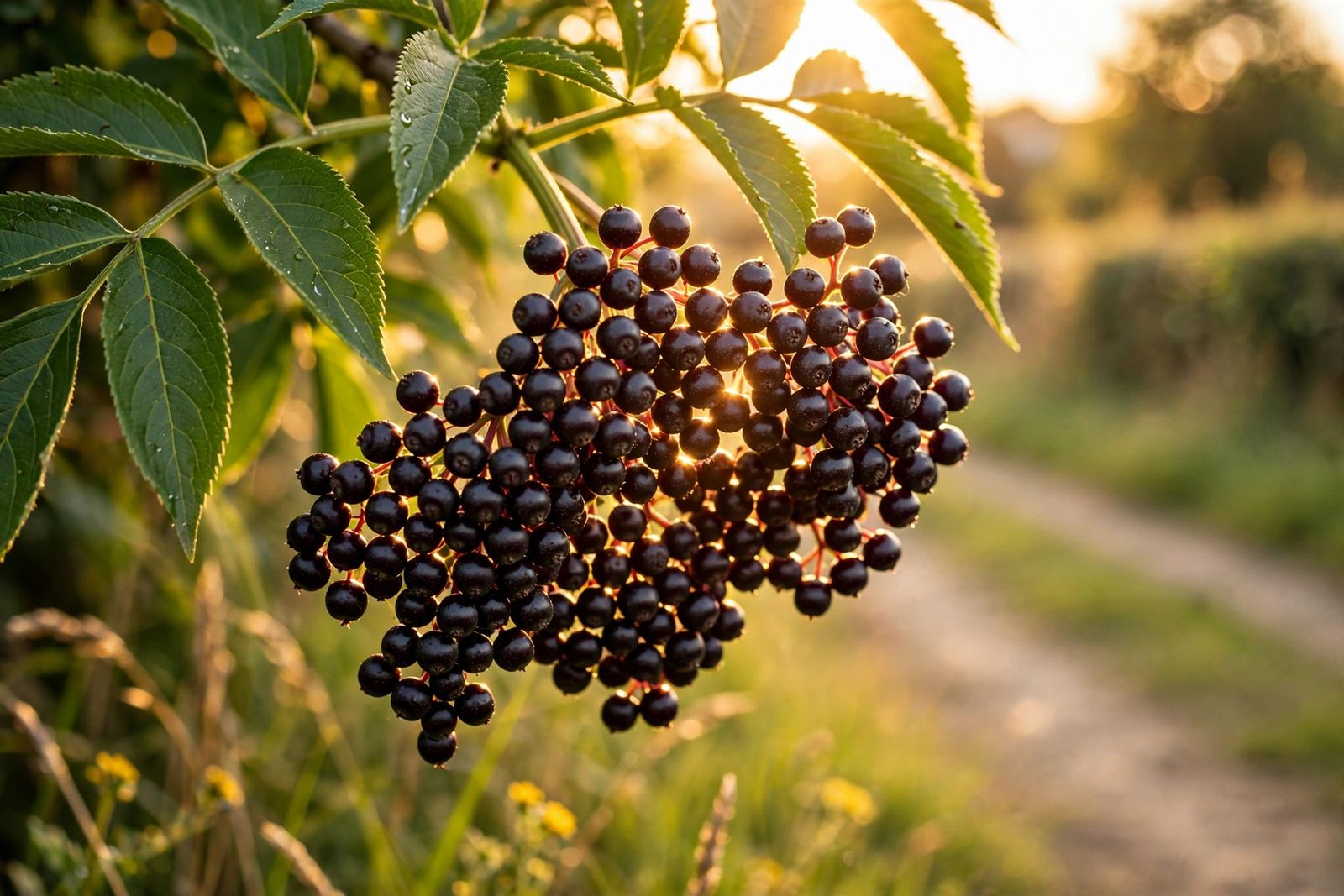
Flat clusters, purple-black berries, cooked — always. Raw is not a serving suggestion.
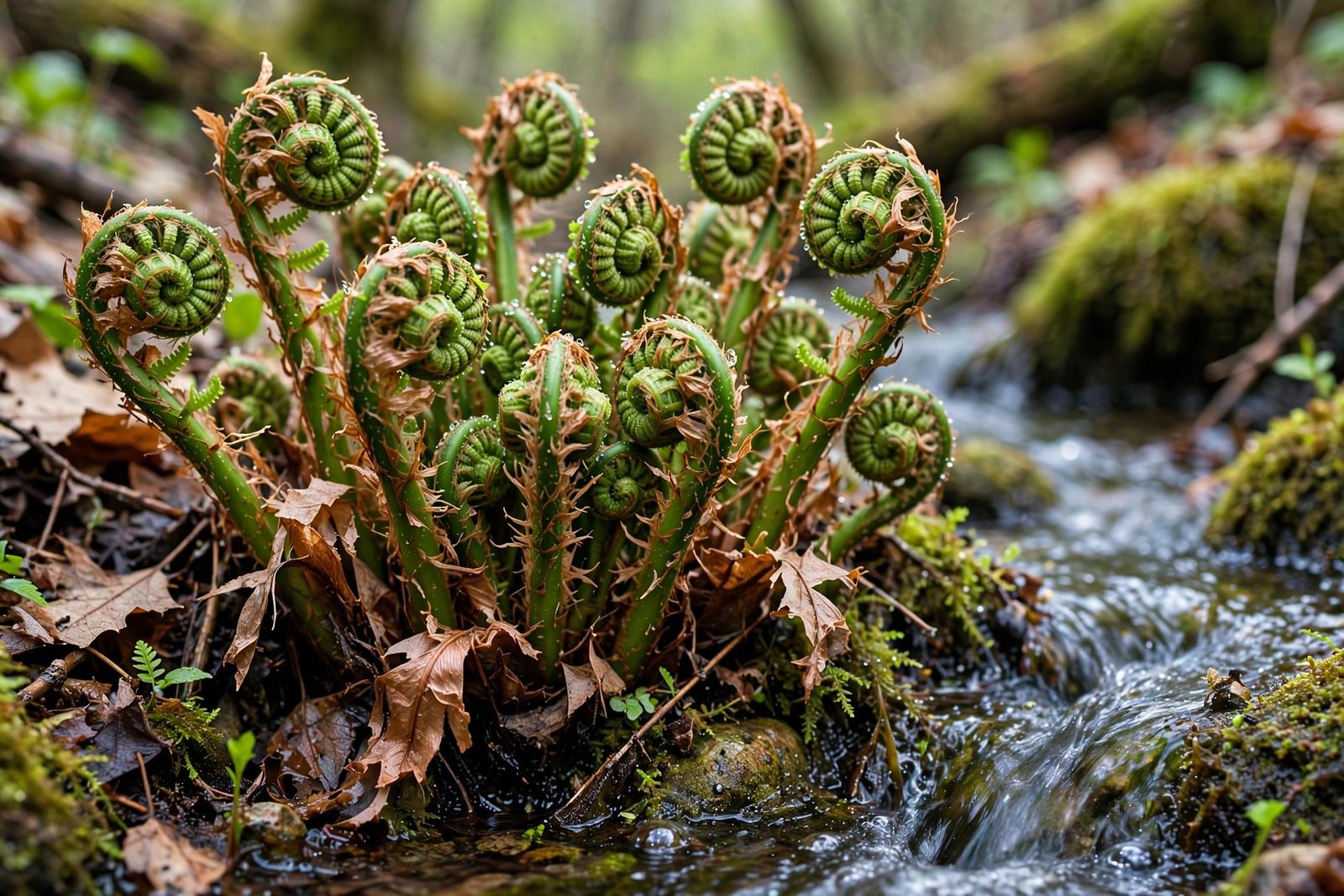
One fern only, known since last summer: U-groove, papery scales, cooked by the clock.
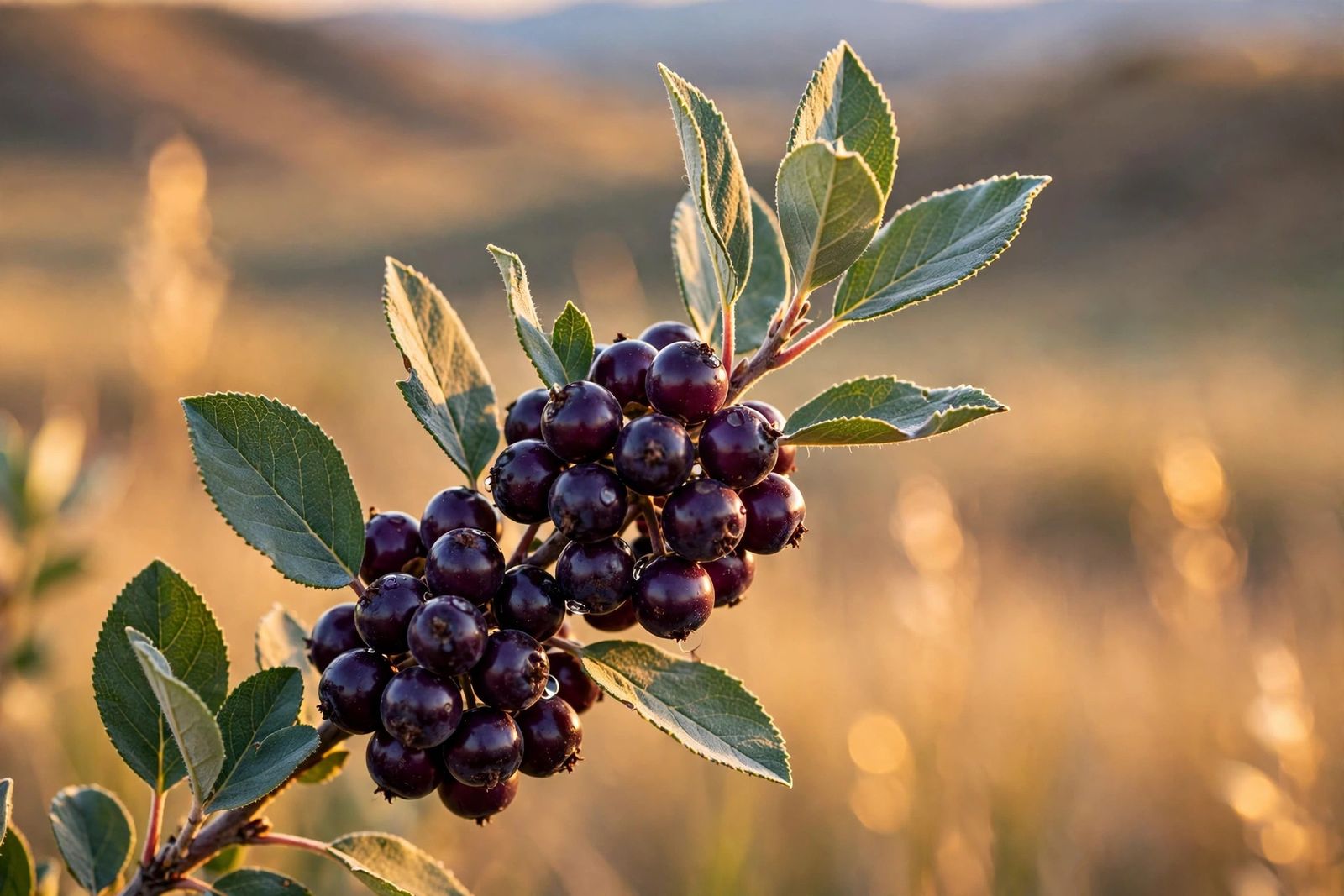
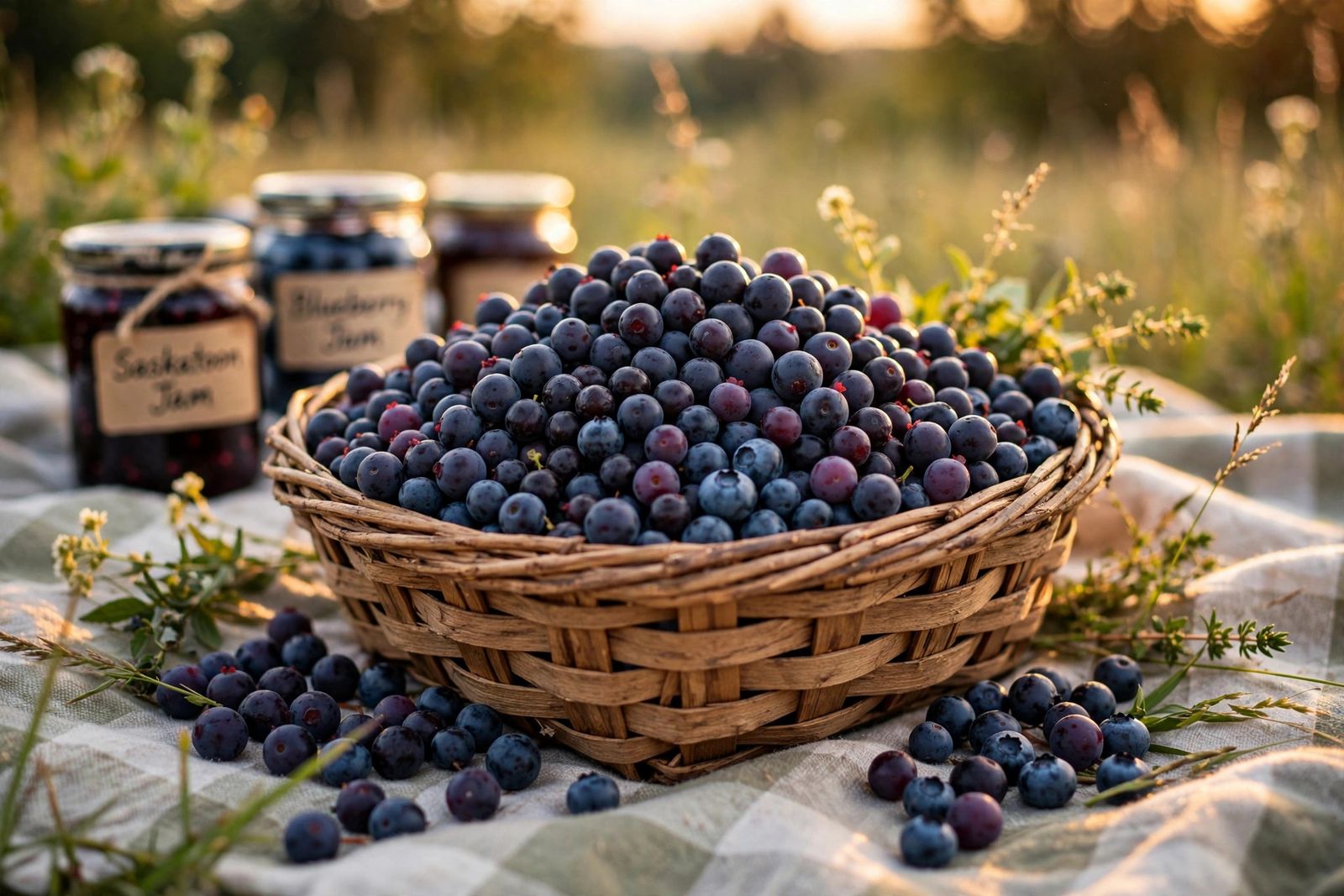
Sweet, almond-noted, and crowned like a blueberry. No crown? Don't pick.
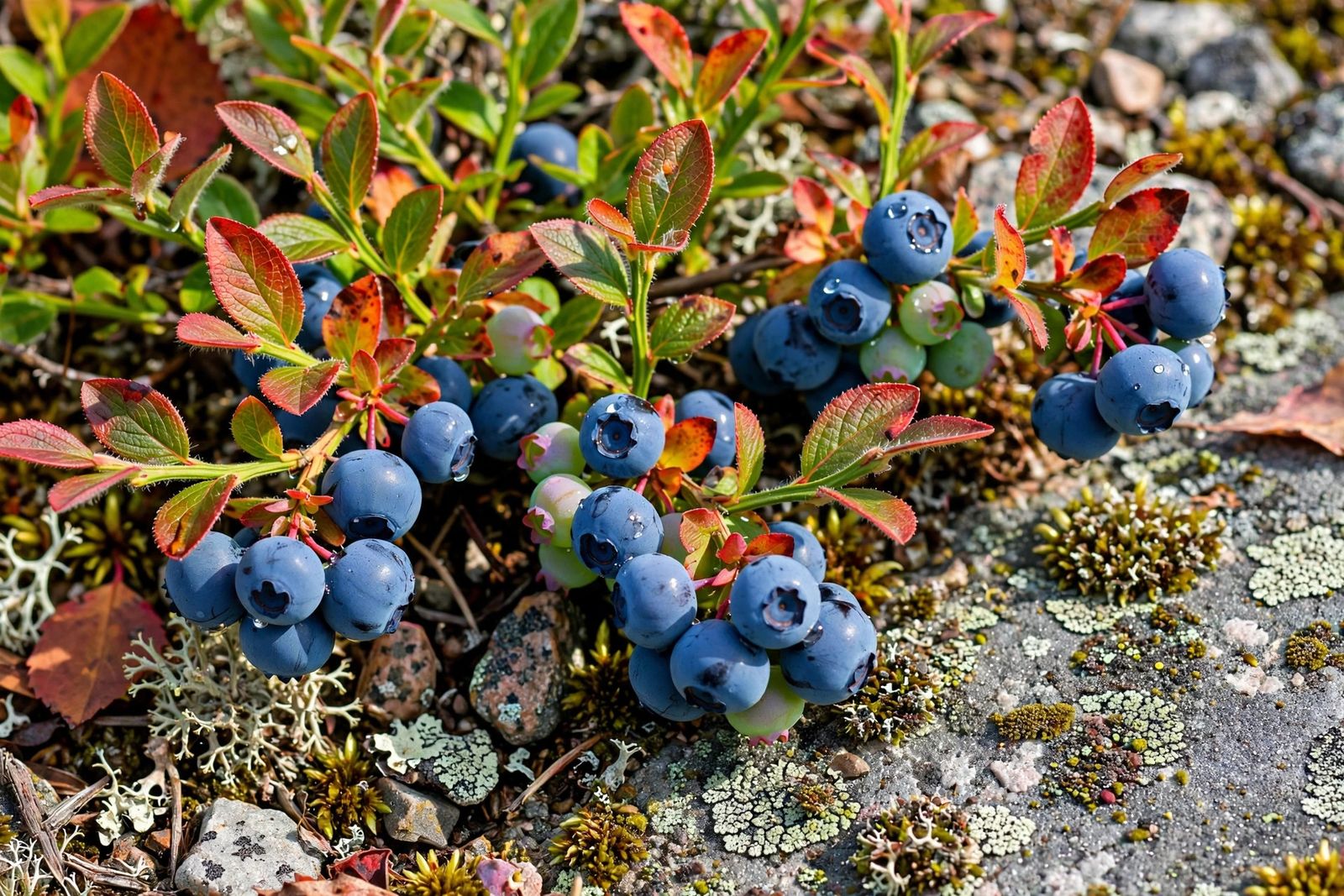
Every true blueberry wears a crown. Check each handful: no crown, no eat.
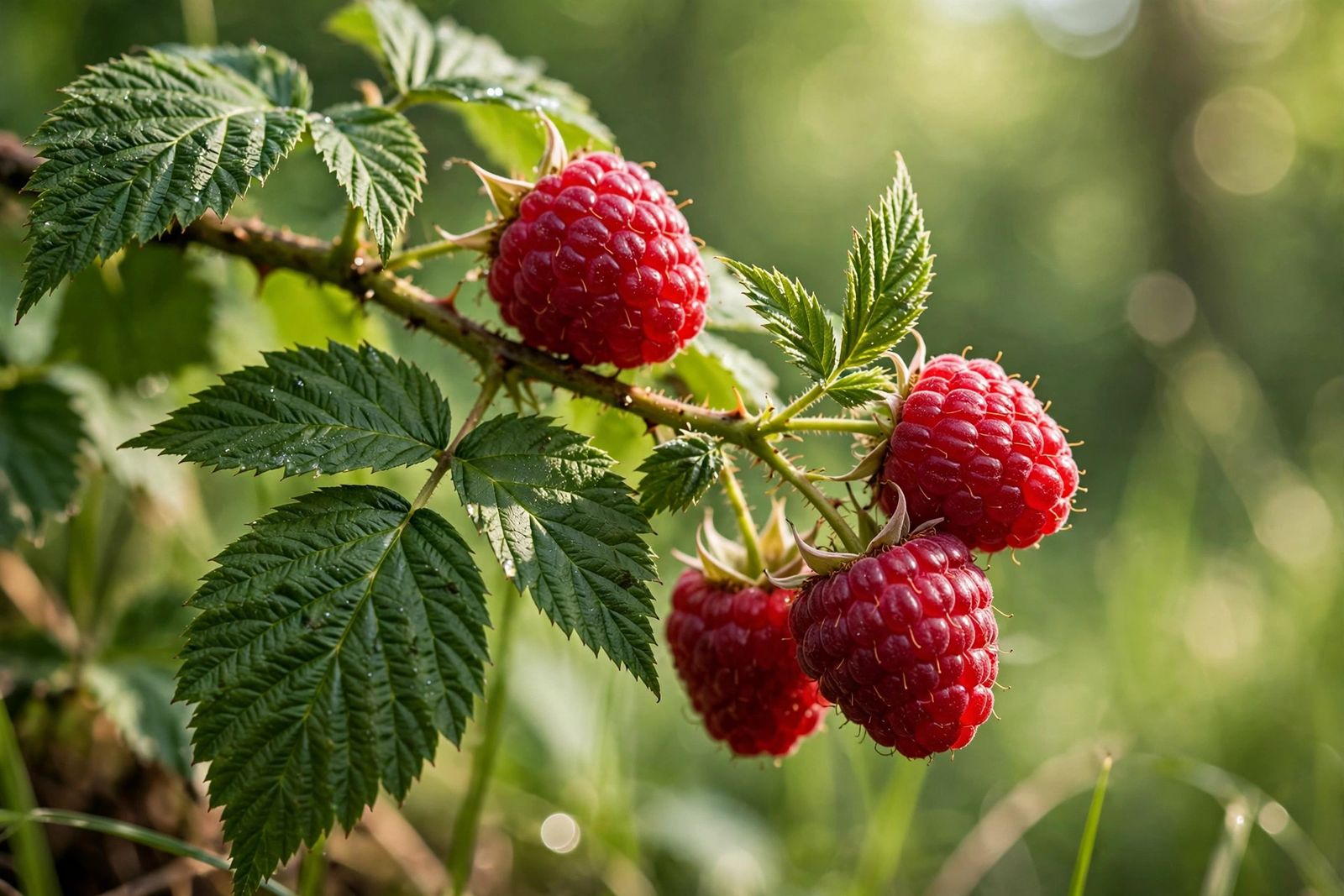
Slips off the core and leaves a hollow thimble. That hollow settles it.
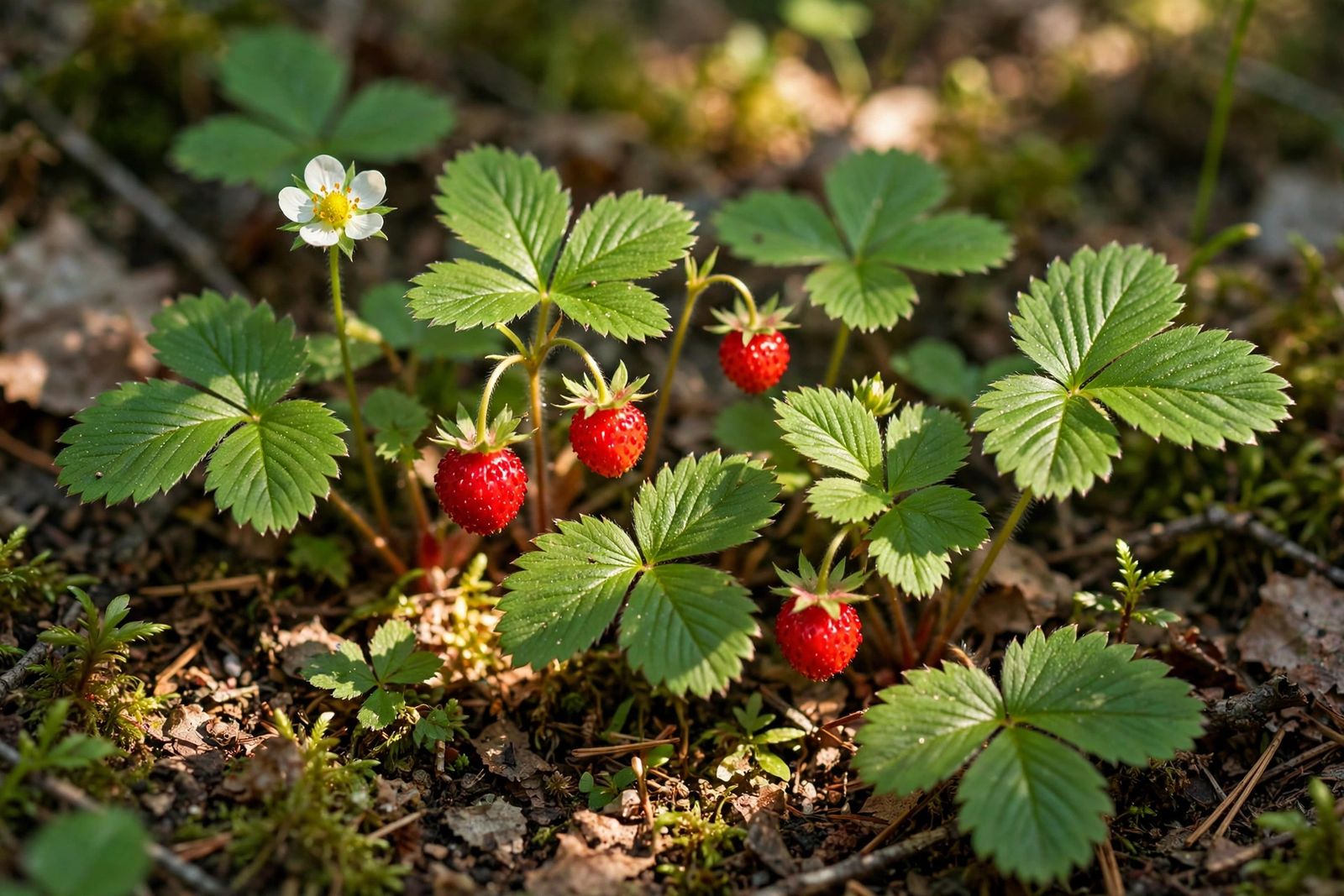
The smallest berry in this guide and, bite for bite, the best one. White flowers only.
What is in season, month by month, for Canada's five foraging regions — approved species only.
Open the tool ›Pick a province and a kind of land and get the straight answer: allowed, prohibited, or not covered yet — with the official source.
Open the tool ›General information only — not legal, medical, or identification advice. Never eat a wild plant or mushroom based on any website; confirm every identification in person, and check the official linked sources for the rules, which change. If you suspect poisoning, call 911 or your provincial poison centre immediately.
Made with ❤️ in Winnipeg
Designed by Dark Haus Studio